


06 Oct 2026 · 8 min read
How to Keep a Bouquet Fresh for Two Weeks in 2026
The recut-strip-feed-and-change-water routine that gets a mixed bouquet to two weeks, plus which flowers actually last that long.
flower care bouquet how-to07 October 2026 · 8 min read
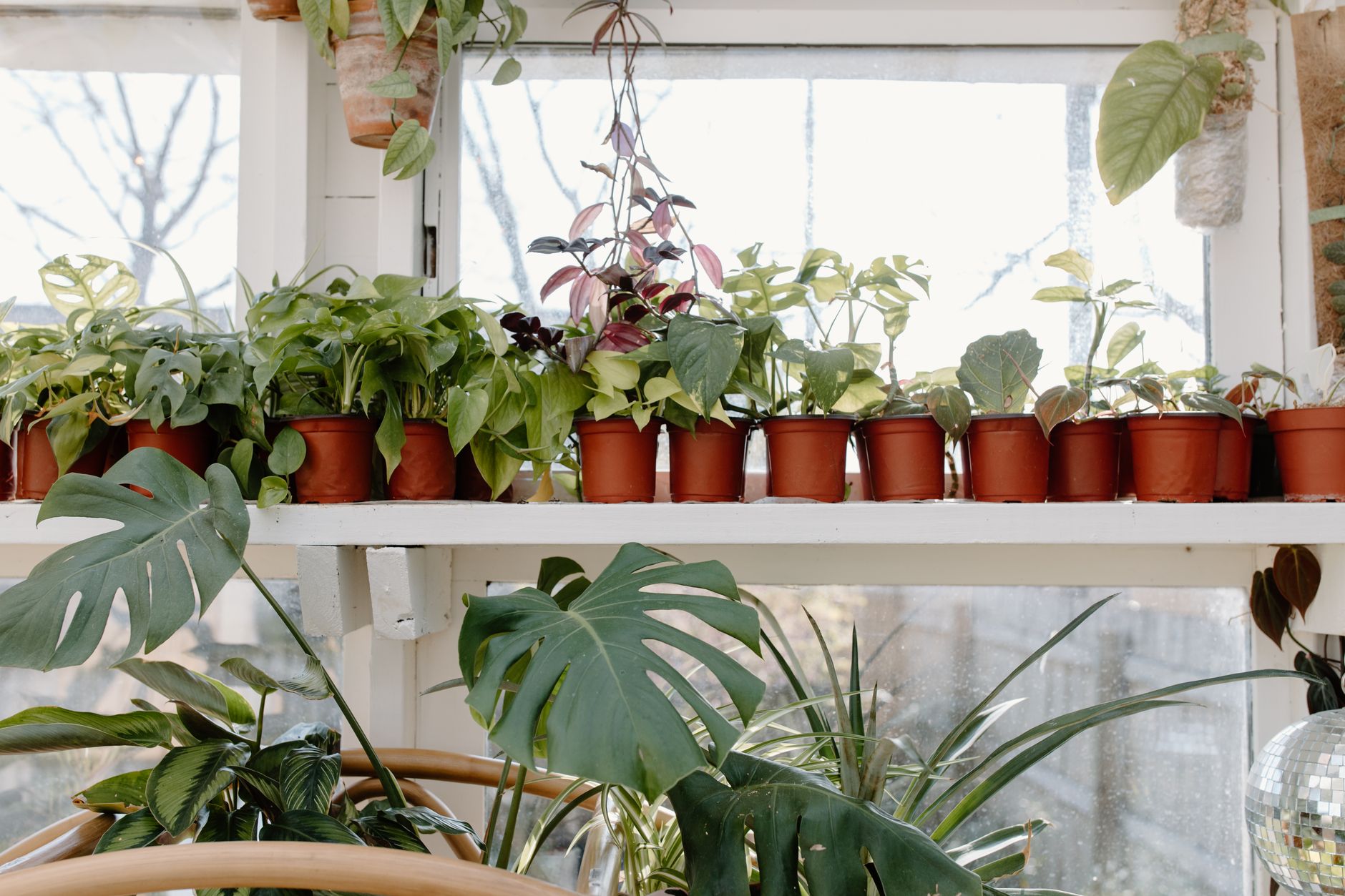
Houseplants have stayed one of the most popular ways to bring greenery indoors, and most of the plants that fail in the first year die from the same handful of avoidable mistakes: wrong light, overwatering, and skipping repotting until roots have nowhere left to go. None of this requires a green thumb — it requires matching a plant's light and water needs to the spot you actually have for it, and adjusting as the seasons change.
This guide covers the fundamentals: reading light in your home, watering on a schedule that actually fits the plant, soil and repotting, humidity and temperature, feeding, pests, and where to go when a plant needs more help than a search engine can give. Along the way it points to plant nurseries and plant shops in a few cities that carry houseplants, potting soil, and the kind of in-person advice that's hard to get from a product label.
Before buying anything, look at the light in the room where the plant will actually live — not the room where you'd like it to live. Light is the single biggest reason houseplants struggle, and most plant tags use three categories:
A simple test: if you can read a book comfortably without turning on a lamp during the day, that's medium light; if you need a lamp, it's low light; if there's a patch of sun on the floor for hours, that's direct sun.
More houseplants are killed by overwatering than by underwatering. Soggy soil suffocates roots and invites rot, and a plant that looks wilted from root rot is often mistaken for a plant that needs more water, making the problem worse. The fix is to stop watering on a fixed schedule and start checking the soil:
Plant Nurseries · Dallas, Texas
A family-owned garden center and plant nursery in Dallas, Texas, North Haven Gardens offers garden education along with its plant selection — the kind of place where staff can walk through a watering problem with you in person rather than over email. Shops like this are a good first stop for beginners who want a second opinion on a struggling plant before giving up on it.
Watering frequency also changes with the seasons: most houseplants slow their growth in fall and winter as daylight drops, which means they need water less often than they did in summer. Checking the soil instead of a calendar accounts for this automatically.
Plain potting soil formulated for houseplants (not garden soil, which is too dense and often contains pests) combined with a pot that has a drainage hole is the baseline setup. Without drainage, excess water has nowhere to go and sits at the roots. A decorative pot without a hole can still be used as a cover — just keep the plant in its plastic nursery pot with drainage inside it, and lift it out to water over a sink.
Succulents and cacti want a fast-draining mix with added perlite or coarse sand. Tropical foliage plants like pothos and philodendron do fine in a standard all-purpose potting mix. Orchids are the exception that trips up a lot of beginners — they need a chunky bark-based orchid mix, not potting soil, because their roots need airflow.
Plant Shops · Santa Barbara, California
Santa Barbara Orchid Estate in Santa Barbara, California is a specialty nursery focused specifically on orchids, with different types and colors coming into bloom through the year — a useful stop for orchid-specific soil, pots, and troubleshooting that a general garden center may not stock.
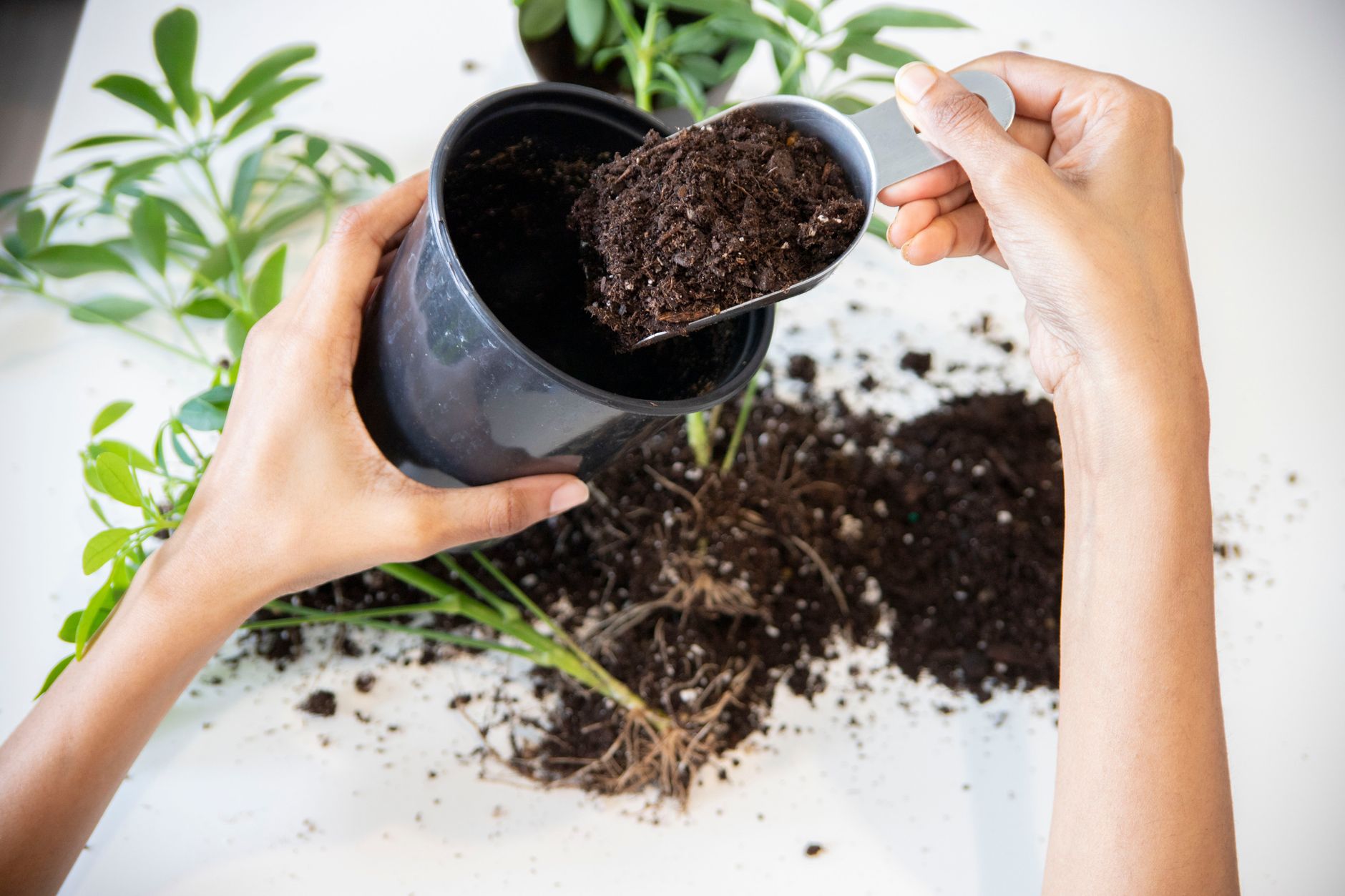
Signs a plant needs repotting: roots growing out of the drainage hole, roots circling densely at the surface, water running straight through without being absorbed, or growth that's stalled despite otherwise good care. Spring and early summer, when a plant is actively growing, is the easiest time to repot — the plant recovers faster than it would going into a dormant winter.
Move up only one pot size at a time (roughly 1-2 inches in diameter larger). A pot that's much bigger than the root ball holds excess soil that stays wet long after the roots have used what they need, which brings back the overwatering problem. Loosen circling roots gently before placing the plant in fresh soil, and water thoroughly right after repotting to settle the soil around the roots.
Plant Nurseries · San Diego, California
City Farmers Nursery, an independently owned nursery in San Diego, California operating since 1972, stocks gardening products and offers free advice — a practical resource for picking the right pot size and soil mix for a specific plant.
Most popular houseplants originated in tropical understories, where humidity is naturally high and temperatures stay fairly stable. Average home humidity, especially with heating running in winter, is often much lower than what these plants evolved for, which shows up as browning leaf tips and edges. Grouping plants together, setting pots on a tray of pebbles and water (without the pot sitting in the water), or running a humidifier nearby all raise local humidity without needing to mist leaves daily, which dries quickly and does little on its own.
Keep plants away from cold drafts (exterior doors, single-pane windows in winter) and away from heating vents or radiators, which dry out soil and foliage fast. Most houseplants are comfortable in the same temperature range people are — roughly 65-80°F — and struggle outside it.
Houseplants in average home light need far less fertilizer than people assume, and over-fertilizing causes more visible damage (salt buildup, burned root tips, crusty white deposits on soil) than under-fertilizing. A balanced, diluted liquid houseplant fertilizer during the active growing season (roughly spring through early fall) is enough for most plants. Skip feeding in fall and winter when growth naturally slows — fertilizer a dormant plant can't use just builds up in the soil.
Plant Nurseries · Fort Worth, Texas
Grow Plant Shop in Fort Worth, Texas was built around the owners' focus on plants from the start, and carries the everyday supplies — soil, pots, fertilizer — alongside the plants themselves, useful when a beginner wants to buy a plant and everything it needs in one trip.
A few symptoms account for most beginner questions:
| Symptom | Likely cause | What to do |
|---|---|---|
| Yellow leaves, soggy soil | Overwatering / root rot | Let soil dry fully; check roots for mush and trim if needed |
| Brown, crispy leaf edges | Low humidity or underwatering | Increase humidity; check watering frequency |
| Leggy growth, pale color | Not enough light | Move closer to a window or to brighter indirect light |
| Tiny white cottony spots | Mealybugs | Dab with rubbing alcohol on a cotton swab |
| Fine webbing, speckled leaves | Spider mites | Increase humidity; wipe leaves; isolate the plant |
| Small flying insects near soil | Fungus gnats | Let soil dry more between waterings; they breed in constantly damp soil |
Most pest problems start on a single plant and spread to neighbors, so isolating a newly affected plant while treating it helps protect the rest of a collection.
Plant Nurseries · Bethlehem, Pennsylvania
The Wicked Botanist in Bethlehem, Pennsylvania, in the Lehigh Valley, pairs a plant selection with organic and holistic items, and can be a resource for beginners dealing with a specific pest or plant health question in person.
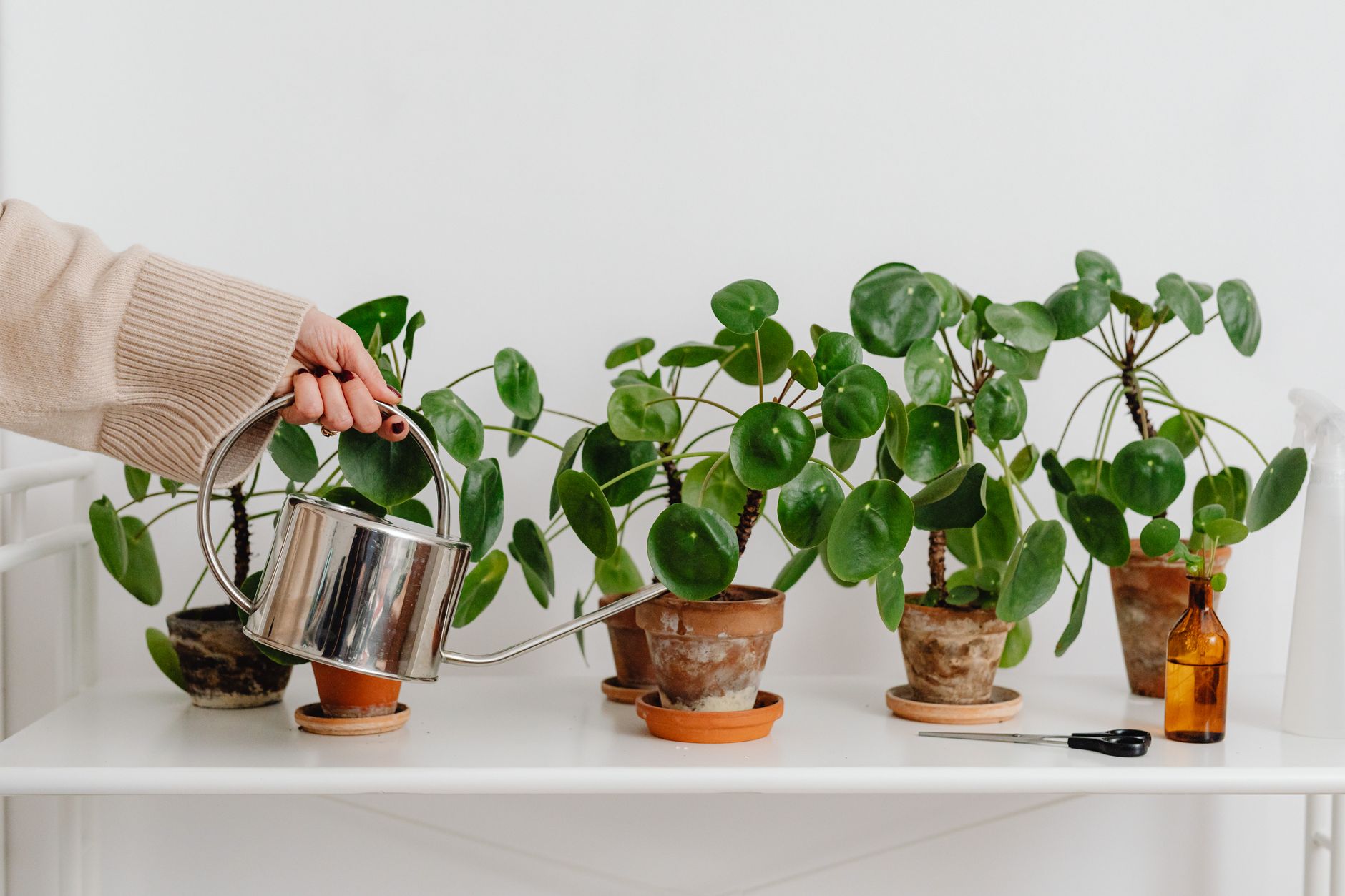
For a first plant, forgiving options that tolerate occasional missed waterings and a range of light levels include pothos, snake plant, ZZ plant, and pilea. These are a good way to learn the finger-test-for-soil-moisture habit without high stakes. Plants that punish inconsistency — ferns, calatheas, and most orchids — are worth trying once the basics feel routine, not as a first plant.
Plant Nurseries · San Francisco, California
SF Plants in San Francisco, California carries a variety of indoor plants, succulents, and accessories, and the staff can help match a plant to a specific spot and experience level — the kind of conversation that's harder to have when buying online.
A local plant nursery or plant shop has two advantages a big-box store usually doesn't: staff who can look at a photo of a struggling leaf and give a specific answer, and stock suited to the local climate and growing season. Directory pages for plant nurseries and plant shops by city make it easier to find one nearby:
Full city listings, including florists, gift shops, and other local businesses, are also browsable by state and city:
Most houseplant failures trace back to one of three things: a plant placed in light it can't use, watering on a fixed schedule instead of checking the soil, or skipping repotting until roots are crowded. Get those three right, keep humidity and temperature in a reasonable range, feed lightly during active growth, and watch for the handful of pests that show up again and again. When a plant still won't cooperate, a local nursery or plant shop — not a generic search result — is usually the fastest way to a specific answer, because they can see the actual plant, the actual soil, and the actual leaf.
06 Oct 2026 · 8 min read
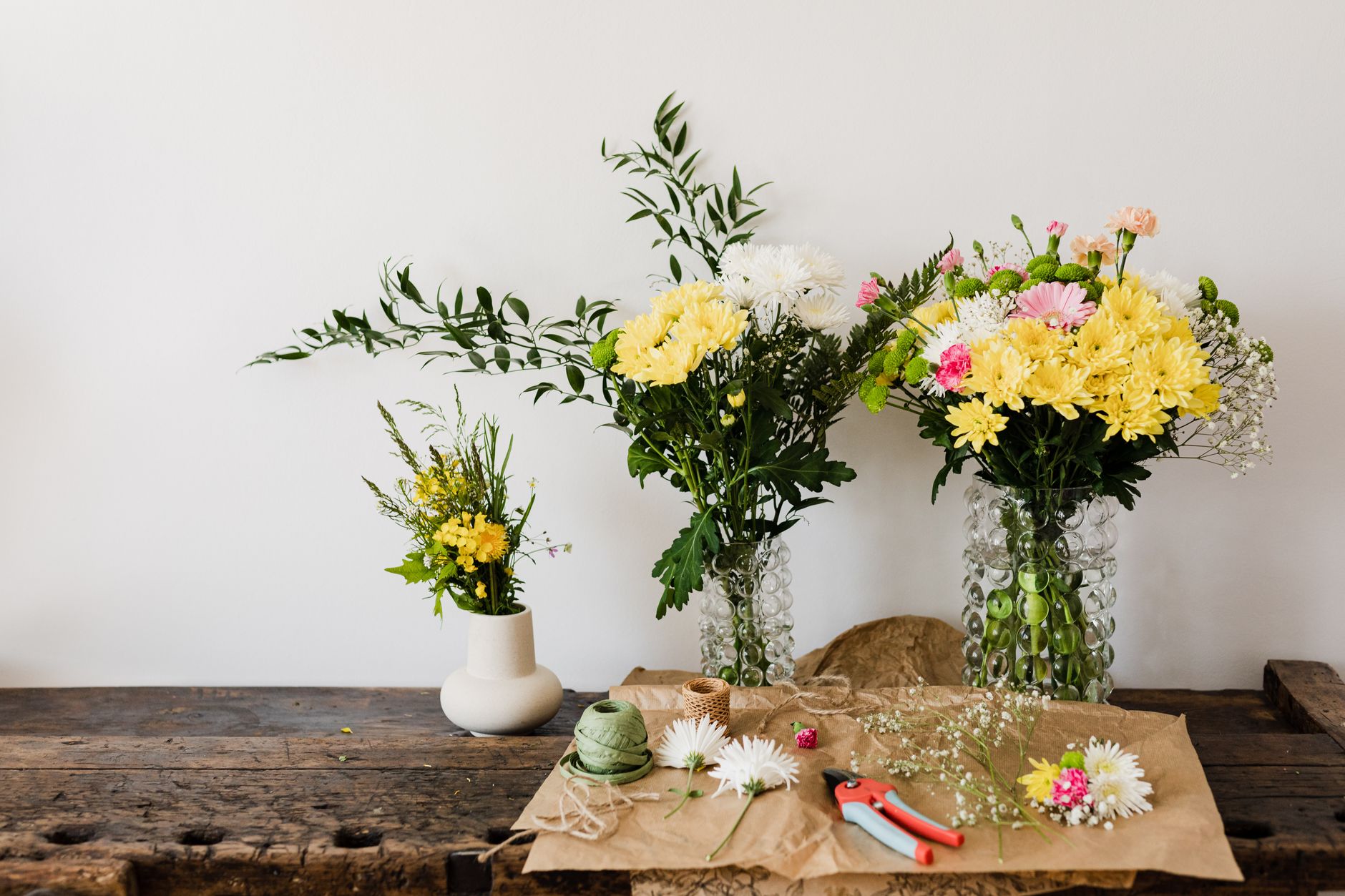
The recut-strip-feed-and-change-water routine that gets a mixed bouquet to two weeks, plus which flowers actually last that long.
flower care bouquet how-to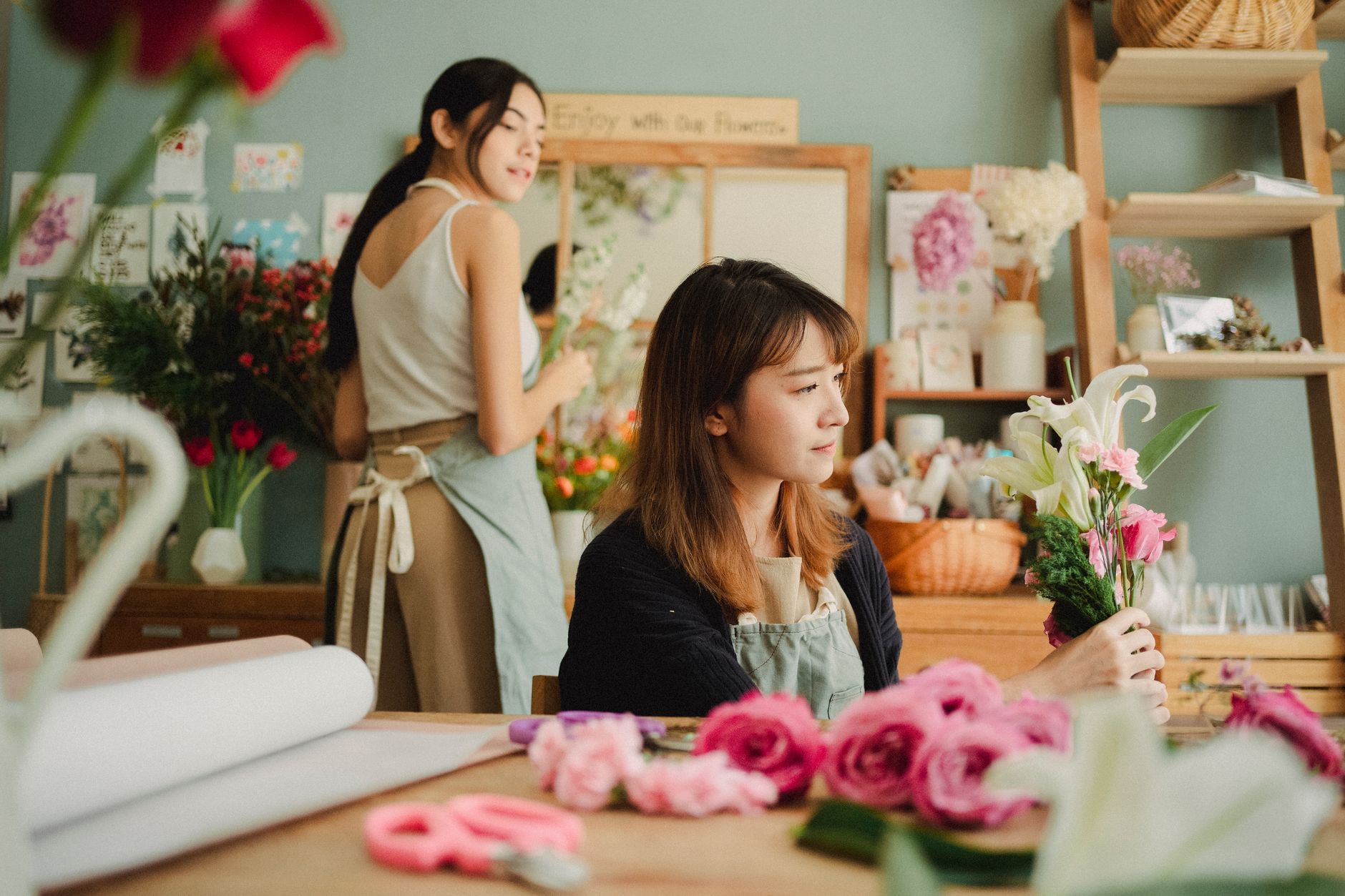
05 Oct 2026 · 8 min read
A wire service relays your order to another shop. Ordering direct means the florist you pick is the one who builds it.
wire service local florist flower delivery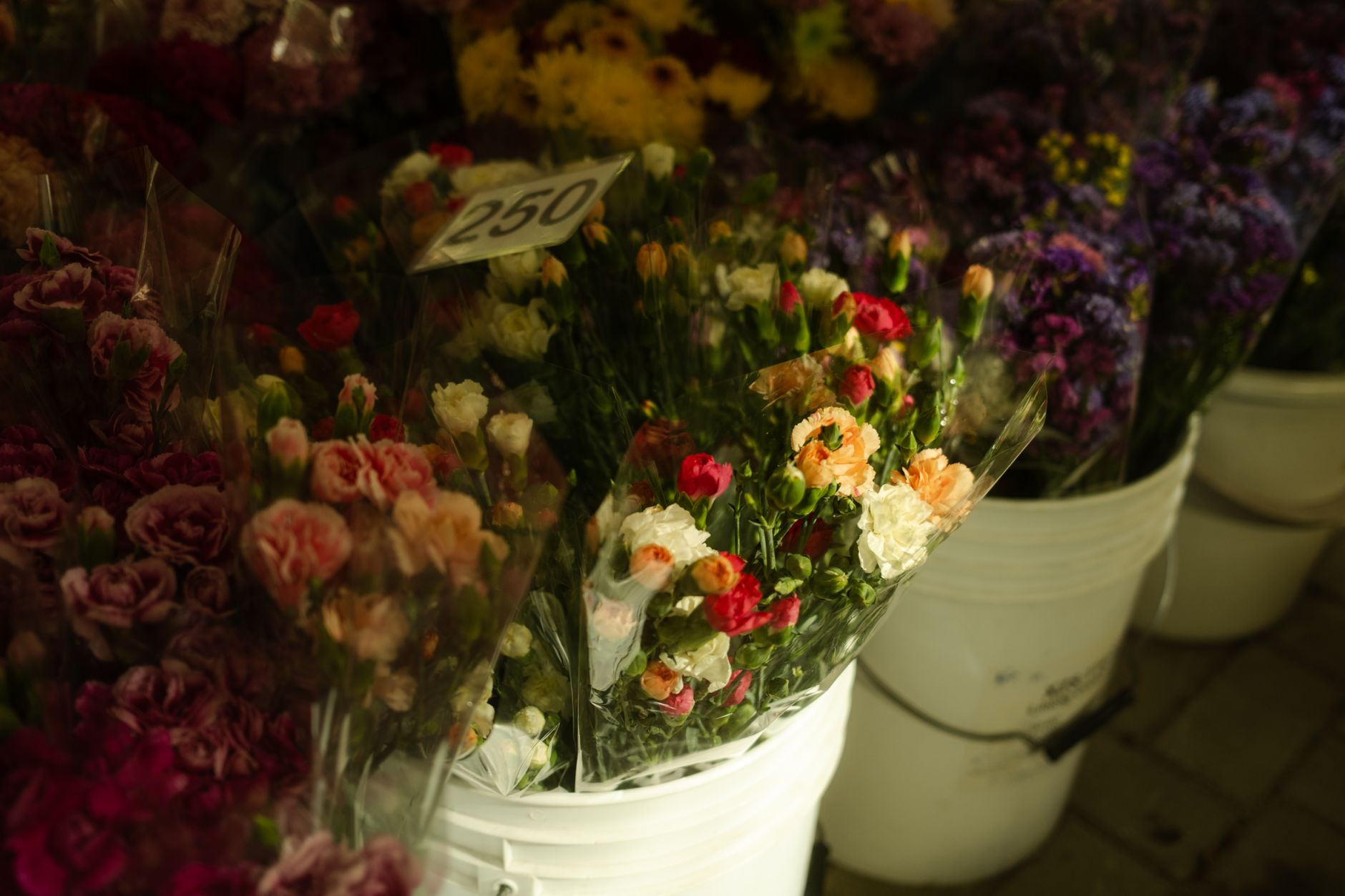
04 Oct 2026 · 8 min read
Where to buy flowers across NYC in 2026: the Flower District, borough wholesalers, wedding florists, and same-day delivery tips.
New York City flower market florists