How to Preserve a Bouquet: Drying, Pressing and Framing in 2026
15 October 2026 · 9 min read
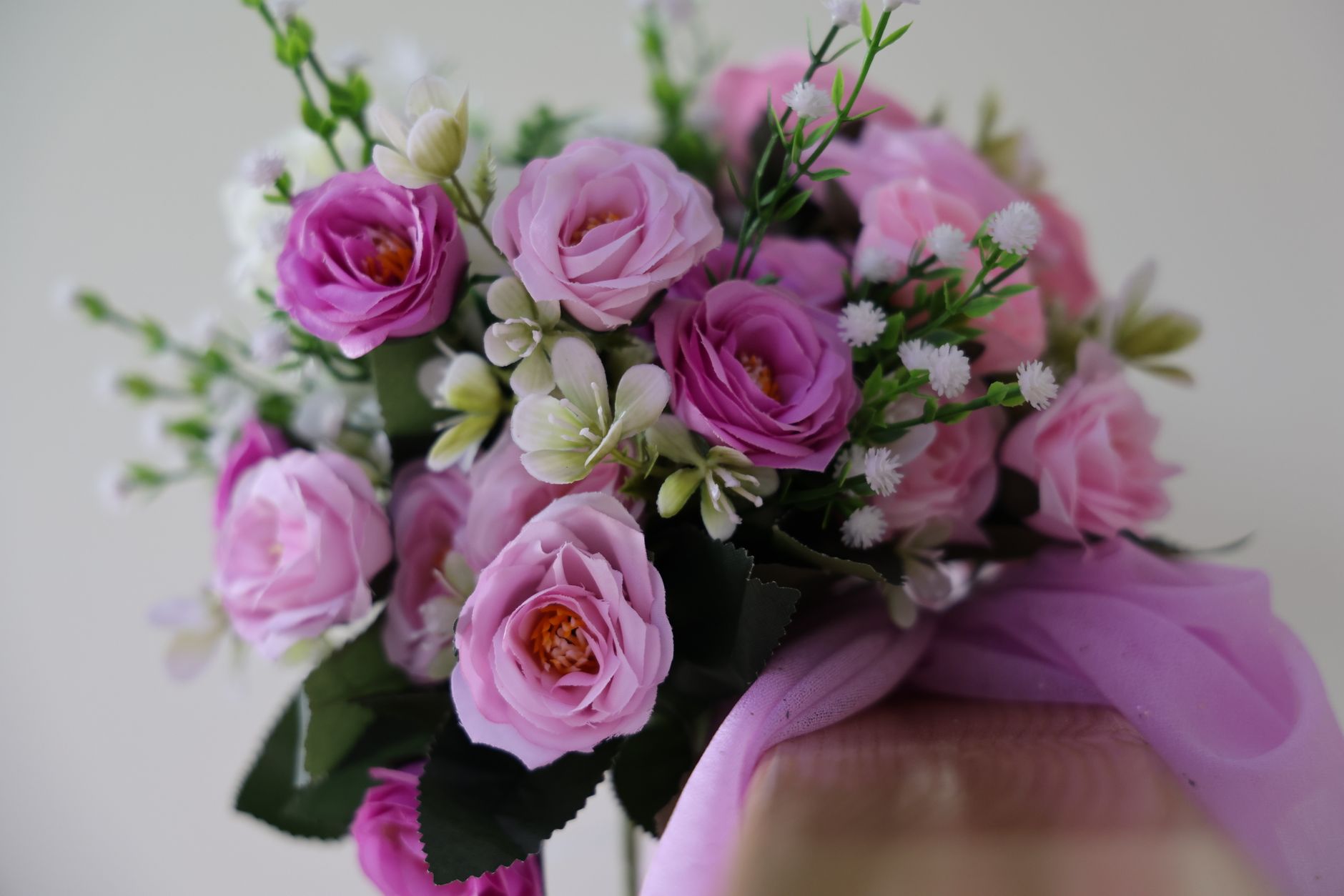
A wedding bouquet, the arrangement from a hospital visit, or the flowers from a funeral service all share the same problem: cut flowers are built to fade. Given good water and a cool spot, most fresh arrangements look their best for less than two weeks. For flowers tied to a specific day you don't want to forget, that's not long enough. The good news is that there are several ways to keep some version of those blooms indefinitely, ranging from a free weekend project to a shipped-off professional service. This guide walks through the main methods, what each one is actually good for, and how to find a flower preservation studio if you'd rather not do it yourself.
Once a flower is cut from the plant, it's running on stored water and sugar. Bacteria build up in the vase water, air bubbles can block the stem from drawing up more water, and the petals themselves keep respiring and aging even in a clean vase. Cooler rooms, fresh-cut stems, and changed water slow the process, but they don't stop it. Roses, carnations and chrysanthemums tend to hold up longest; hydrangeas, tulips, ranunculus and anything with a soft, thin petal fade fastest.
That timeline is exactly why preservation exists as its own small industry. If you want to keep a bouquet past the week or two a vase buys you, you're choosing between methods that remove the water from the flower (drying, pressing, silica gel, freeze-drying) or methods that lock the flower's current state in place with a clear medium (resin). Each trades off time, cost, and how close the result looks to the living flower.
Air-Drying: The Simplest DIY Method
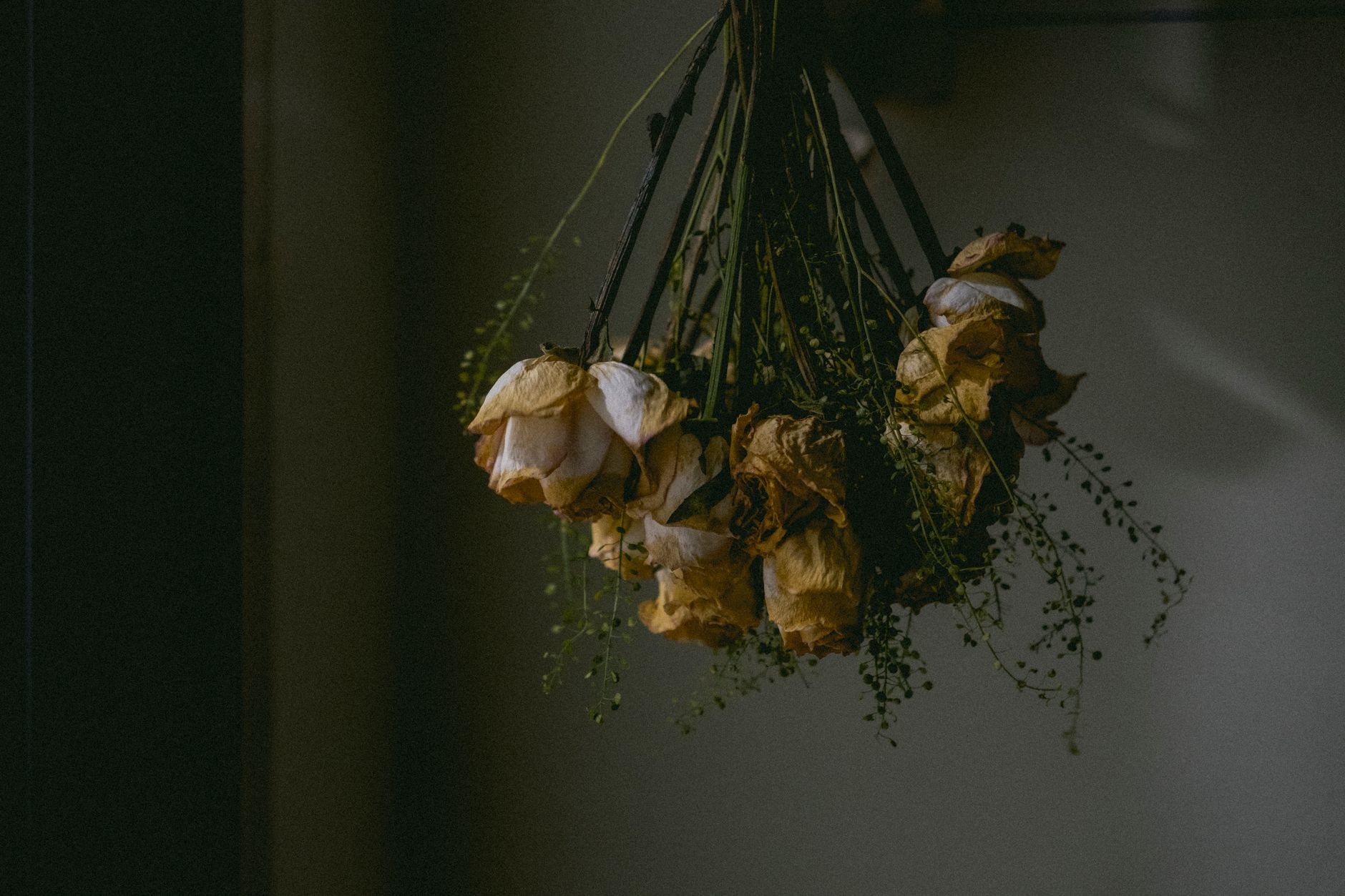
Air-drying costs nothing but a few days and a dark closet. Strip the leaves from each stem, group small bunches with a rubber band (rubber bands shrink as stems dry out, unlike string), and hang the bunches upside down somewhere dark, dry and well-ventilated — a closet or spare room works better than a bathroom or sunny windowsill. Most flowers are fully dry in two to three weeks. Hanging them upside down keeps the stems straight and the flower heads from drooping as the moisture leaves.
Air-drying works well on sturdy, already-firm flowers: roses, baby's breath, statice, lavender, strawflower and most grasses. It works poorly on flowers with a high water content, like tulips, hydrangeas or peonies, which tend to shrivel or turn brown. The color that comes out the other end is muted and a little darker than the fresh flower — that faded, antique look is the whole appeal for some people, and a dealbreaker for others.
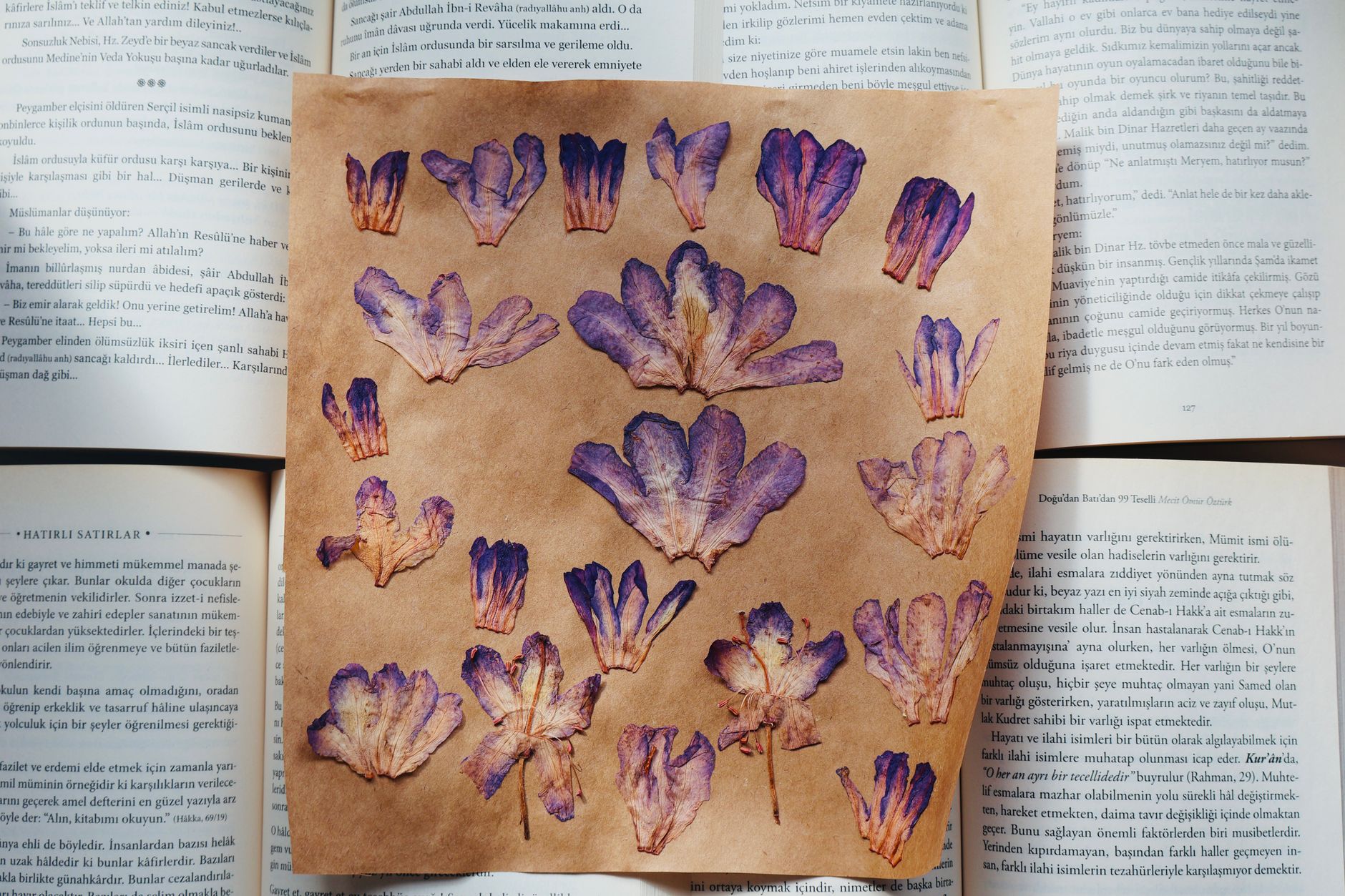
Pressing flattens the flower rather than keeping its 3D shape, which makes it better suited to framed art, pressed-flower cards, or a page in a scrapbook than to a free-standing bouquet replica. The classic method is still the heaviest book on the shelf: lay single blooms or individual petals between two sheets of parchment or blotting paper, close the book, and stack more books or a weight on top. Thin flowers like pansies, larkspur and ferns press well in a week to ten days; anything thick or layered, like a rose head, is better pulled apart petal by petal first. A flower press with wingnuts works the same way and is a little faster and more even than a stack of books.
Once dry and flat, pressed flowers are usually arranged under glass in a frame, glued onto cardstock, or sealed between sheets of clear laminate or resin film. It's the cheapest preservation method that still produces something you'd frame and hang, and it's a realistic one-afternoon project for a single stem or two rather than an entire bouquet.
Silica Gel and Freeze-Drying for 3D Shapes
If you want to keep the flower's full, three-dimensional shape rather than flattening it, air-drying and pressing won't get you there — the flower head collapses as water leaves it unevenly. Silica gel desiccant, sold in craft and hobby stores, pulls moisture out of the petals much faster and more evenly than open air, which lets the flower keep closer to its original shape and color. Flowers are buried in the gel inside an airtight container, left for two to seven days depending on the flower, then carefully brushed clean. It takes a steady hand — petals are brittle once dry — but it's a method anyone can do at home with a kit.
Freeze-drying takes that same idea further using specialized equipment that sublimates the water out of the flower in a vacuum at very low temperatures, which keeps color, shape and even a little flexibility better than any home method. It isn't something to attempt yourself; it's done by labs and some professional preservation studios with the right freeze-drying chambers, and bouquets are typically shipped or dropped off and returned weeks later. It's the closest a dried flower gets to looking "fresh," and it's the technique behind a lot of the bouquets you see displayed in shadow boxes.
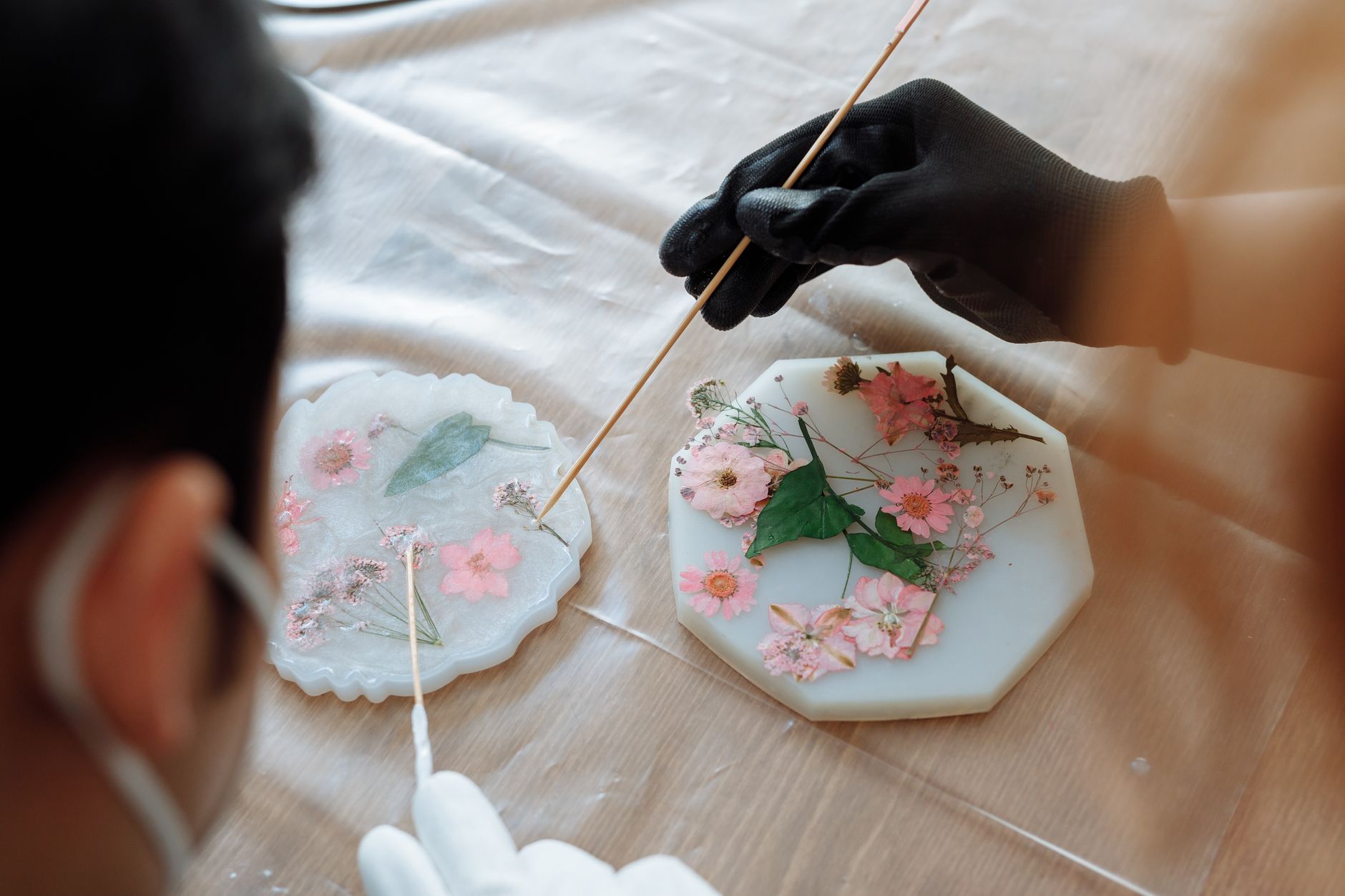
This is the method most wedding and memorial flower preservation studios are built around, and it's almost always a paid, professional service rather than a kitchen-table project. Flowers are first dried or freeze-dried, then arranged and sealed into clear resin as a block, coaster, tray or ornament, or pressed and mounted into a shadow box or frame alongside the bouquet's ribbon or other keepsakes. Done well, resin keeps the flower's color and shape looking close to the day it was cut, in a form sturdy enough to sit on a shelf indefinitely.
Because the flowers have to be dried first and then cast or framed by hand, turnaround is measured in weeks to months rather than days, and most studios either want the still-fresh bouquet shipped to them within a day or two of the event, or ask that you keep it out of water and in a cool spot until drop-off. This is also the category that handles memorial and funeral flowers, not just weddings — several of the studios below mention taking flowers from a funeral or hospital stay as often as bridal bouquets.
Flower Preservation Studios to Know
The directory's Dried, Silk & Preserved Flowers category includes a growing number of businesses that specialize specifically in bouquet preservation, rather than general florists. A few worth knowing, based on what they list on their own profiles:
DBANDREA, in the Dallas–Fort Worth metroplex, works in framed floral art and resin keepsakes and offers a courier pickup option for local couples. Its listing notes a $50 date-reservation fee that's credited toward the final piece. Browse other dried, silk and preserved flower shops in Rowlett, TX, or see the full Rowlett business directory.
Dried, Silk & Preserved Flowers · Pompano Beach, Florida
2820 NE 4th Ave, Pompano Beach, FL 33064
★★★★★4.6(151)
Wild Coast, south Florida, turns bouquets into everyday home decor pieces — trays, coasters and wine stoppers among them — rather than only display art. More Pompano Beach, FL listings are in the directory as well.
Florals Memories is a by-appointment home studio in Irvine, California that accepts both fresh and already-dried flowers for resin frames, shadow boxes and trays — useful if your bouquet has already started to dry out before you decide to preserve it. See more Irvine, CA florists and flower shops.
Refinery Floral, outside Denver, describes drying, pressing, recoloring and sealing each bloom, and takes wedding bouquets, memorial arrangements and even home garden flowers, not just event flowers. Nearby options are listed under Englewood, CO.
Peachy Petals, near Atlanta, preserves bouquets from weddings, celebrations and memorials and ships its finished pieces across the country, so it's an option even if there isn't a local studio near you.
Addresses, hours and current ratings for each are on their listing pages — worth checking directly, since preservation studios often work by appointment rather than keeping a storefront open to walk-ins.
A Fun DIY Alternative: Pressed-Flower Workshops
If you'd rather enjoy the process than mail off your bouquet and wait, pressed-flower studios have become a popular group activity in their own right, separate from bouquet preservation services.
Maivie, in Frisco, Texas, runs pressed-flower workshops where the studio supplies the flowers and frames and guests build their own piece — a format aimed at a girls' night, date night or birthday rather than wedding-bouquet preservation specifically. It's a good example of the DIY side of pressing: no experience needed, and you walk out with a finished piece the same day instead of waiting weeks.
Comparing Your Options
Method
Typical Time
Shape Kept
Best For
DIY-Friendly?
Air-drying
2–3 weeks
Natural, slightly shrunken
Rustic bunches, wreaths
Yes, free
Pressing
1–2 weeks
Flat
Cards, framed art, scrapbooks
Yes, low cost
Silica gel
2–7 days
Close to original 3D shape
Single blooms, small arrangements
Yes, with a kit
Freeze-drying
Weeks (lab/studio turnaround)
Closest to fresh
Full bouquets, keepsake display
Usually professional
Resin / shadow box
Weeks to months
Permanent, sealed
Wedding and memorial bouquets
Usually professional
Check current rates directly with any studio — pricing depends on the size of the piece, the preservation method and how many flowers are involved, and it varies enough between studios that a single number here wouldn't be reliable.
What to Ask Before You Book a Studio
Before shipping or dropping off a bouquet, a short call or email can save a disappointing result. Worth asking: how soon after the event do they need the flowers (most want them within a day or two, before wilting sets in); do they want the bouquet shipped dry-packed or kept in water until drop-off; what's the realistic turnaround time for your chosen piece; and whether they can work from a wilted or already-dried bouquet if you didn't plan ahead. It's also reasonable to ask for in-progress photos if the studio doesn't send them automatically, and to confirm shipping insurance if you're mailing an irreplaceable bouquet across the country.
The Takeaway
If you want something fast and free, air-dry sturdy flowers like roses yourself; if you want flat art for a frame or card, press them. For a full bouquet that keeps its shape and color for the long run — a wedding bouquet, memorial flowers, or anything you don't want to risk doing yourself — a preservation studio using silica gel, freeze-drying or resin is the more reliable route, at the cost of weeks of turnaround and a professional fee. Either way, the clock starts the moment the flowers come out of water, so the biggest factor in how good the final result looks isn't the method — it's how quickly you start.