Which Flowers Are in Season This Fall: A 2026 Buying Guide
03 October 2026 · 8 min read
Walk into a flower shop in October and the coolers look different than they did in June. Dahlias and chrysanthemums crowd out peonies and sweet peas, foliage gets heavier, and the color palette shifts toward rust, burgundy and gold. Some of that is styling. A lot of it is simply what's actually growing, and growing locally, at this point in the year.
Understanding what's in season doesn't just make for a more interesting bouquet. It affects price, freshness and how far your order has to travel before it reaches you. This guide walks through what's realistically blooming outdoors this fall, how warm-climate states stretch the growing season further than the rest of the country, where flower markets and nurseries fit into the supply chain, and how to ask a florist the right question instead of guessing.
Why Fall Flowers Behave Differently
Most cut-flower demand in the US is still met by a mix of domestic field growers, greenhouse operations and imported stems, largely from South America. In spring and early summer, domestic field-grown flowers are at their peak and florists lean on them heavily. By October, outdoor growing has already slowed or stopped across most of the country, so greenhouse-grown and imported flowers make up a larger share of what's in the cooler, even at a well-run local shop.
That doesn't mean fall is a bad time to buy flowers. It means the mix changes. Hardy, late-season outdoor blooms like dahlias, mums and asters get folded in with roses, lilies and other staples that are grown year-round in greenhouses or shipped in. A good florist will tell you plainly which parts of an arrangement are local and seasonal versus imported, if you ask.
What's Actually Blooming Outdoors Right Now
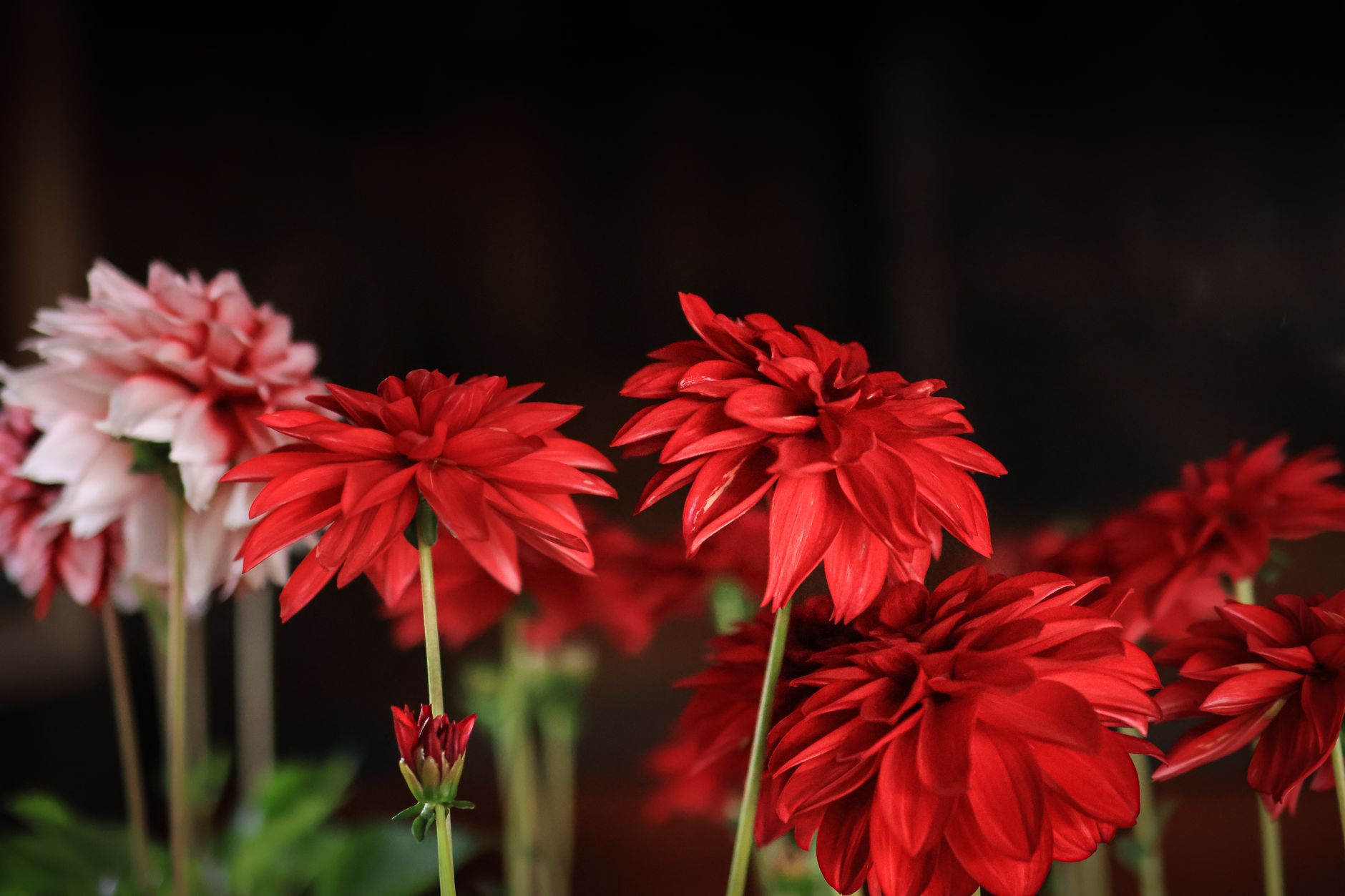
In most of the continental US, early October still has a short list of outdoor bloomers before the first hard frost: dahlias, chrysanthemums (mums), asters, celosia, late-season zinnias and sunflowers, and ornamental grasses and seed heads used as filler. Roses mostly stop their heaviest outdoor bloom cycle once nights cool, though greenhouse roses continue regardless of season.
This is also pumpkin-and-gourd season at garden centers and farm stands, which is why so many fall arrangements lean on texture — dried elements, branches, and small gourds — rather than relying only on cut stems. If you want flowers that are genuinely local and in season this month, mums, dahlias and asters are the safest bet almost anywhere in the country.
Warm-Climate States Keep Growing Longer
States with mild fall weather extend the outdoor season well past where colder regions stop. Florida, Texas and coastal California don't get a hard frost in October, so field-grown flowers and tropical varieties keep going later into the year, which is one reason florists in these states can often source more locally in fall than a shop in, say, Minnesota.
Both of these Florida florists operate in a climate where the growing window doesn't close in October the way it does further north. In Tallahassee and Tampa, that generally means more locally sourced stems mixed into fall arrangements, alongside the greenhouse and imported flowers every shop also carries.
Texas shops see a similar effect. Dallas and Frisco florists work with a long growing season that only fully shuts down after the first real cold front, usually later in the year than coastal regions assume.
California's climate is different again — mild enough in much of the state that some field flowers never fully stop, which is part of why California remains one of the largest domestic cut-flower growing regions in the country.
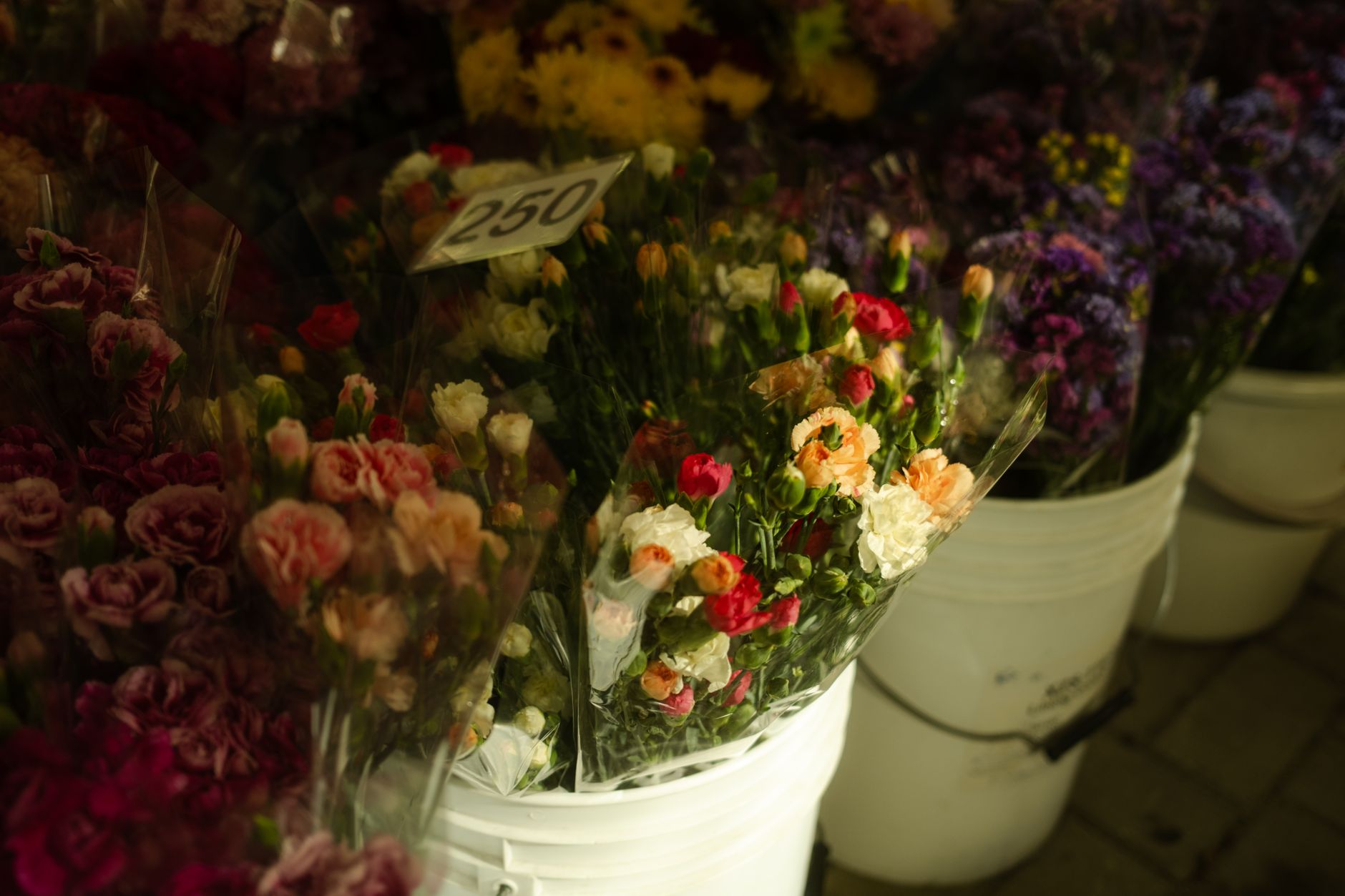
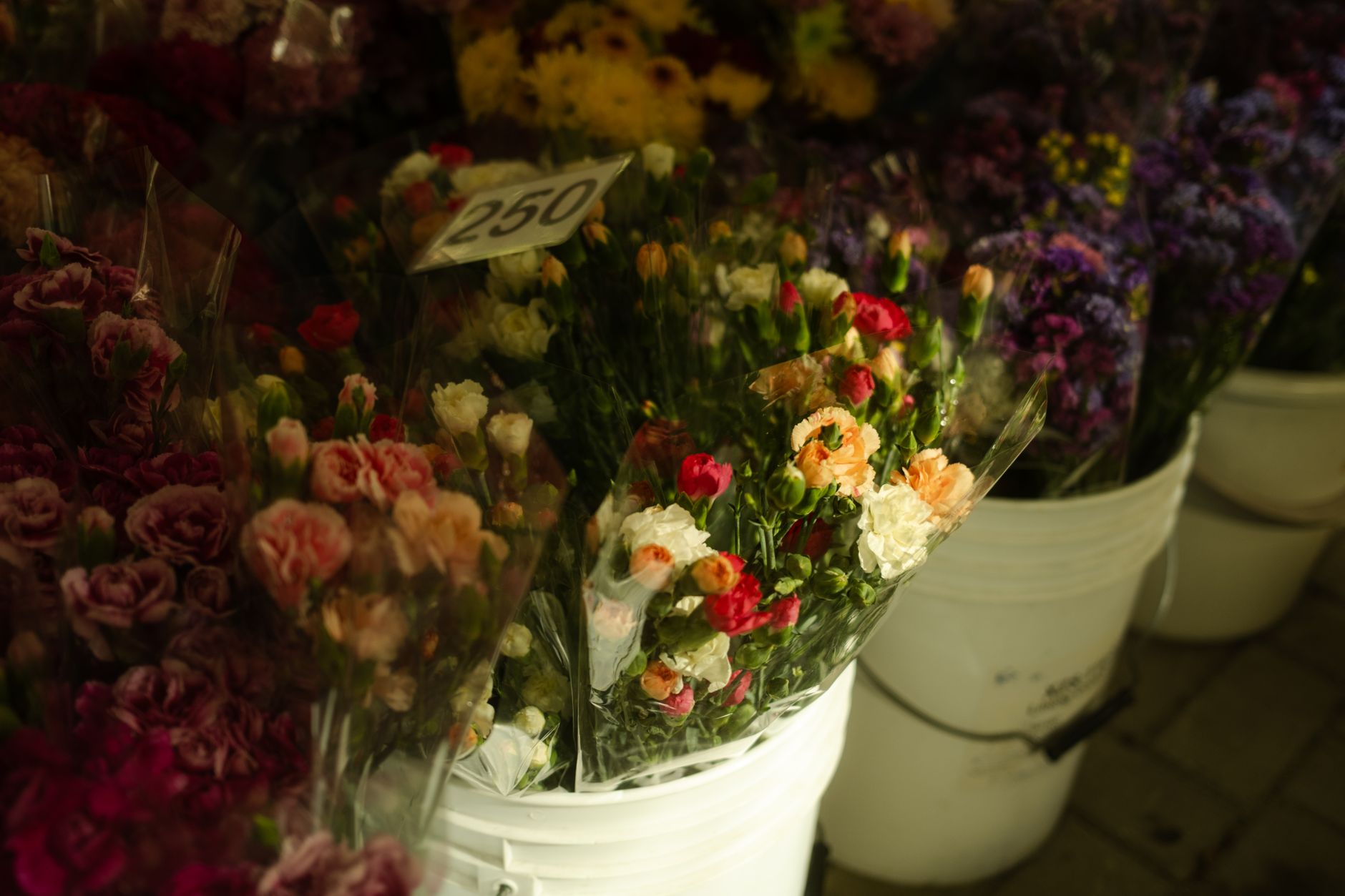
Flower markets and wholesale flower businesses sit a step closer to the growers than a typical retail florist, and many sell to the public as well as to the trade. Buying from a market can mean fresher stems and a wider, faster-changing selection, since markets turn over inventory according to what's actually available that week rather than what a retail shop has pre-ordered for arrangements.
In Long Beach, California, a flower market like this one gives a useful read on the season: whatever fills the buckets on a given week is a reasonable proxy for what's actually moving through growers and distributors right now, which is a more reliable seasonal signal than a single retail shop's cooler.
If there's a flower market near you, walking through it once in the fall and once in the spring is a quick, free way to see the seasonal shift for yourself — what's abundant and inexpensive changes noticeably between the two visits.
Garden Centers and Nurseries: A Different Kind of Fall Flower
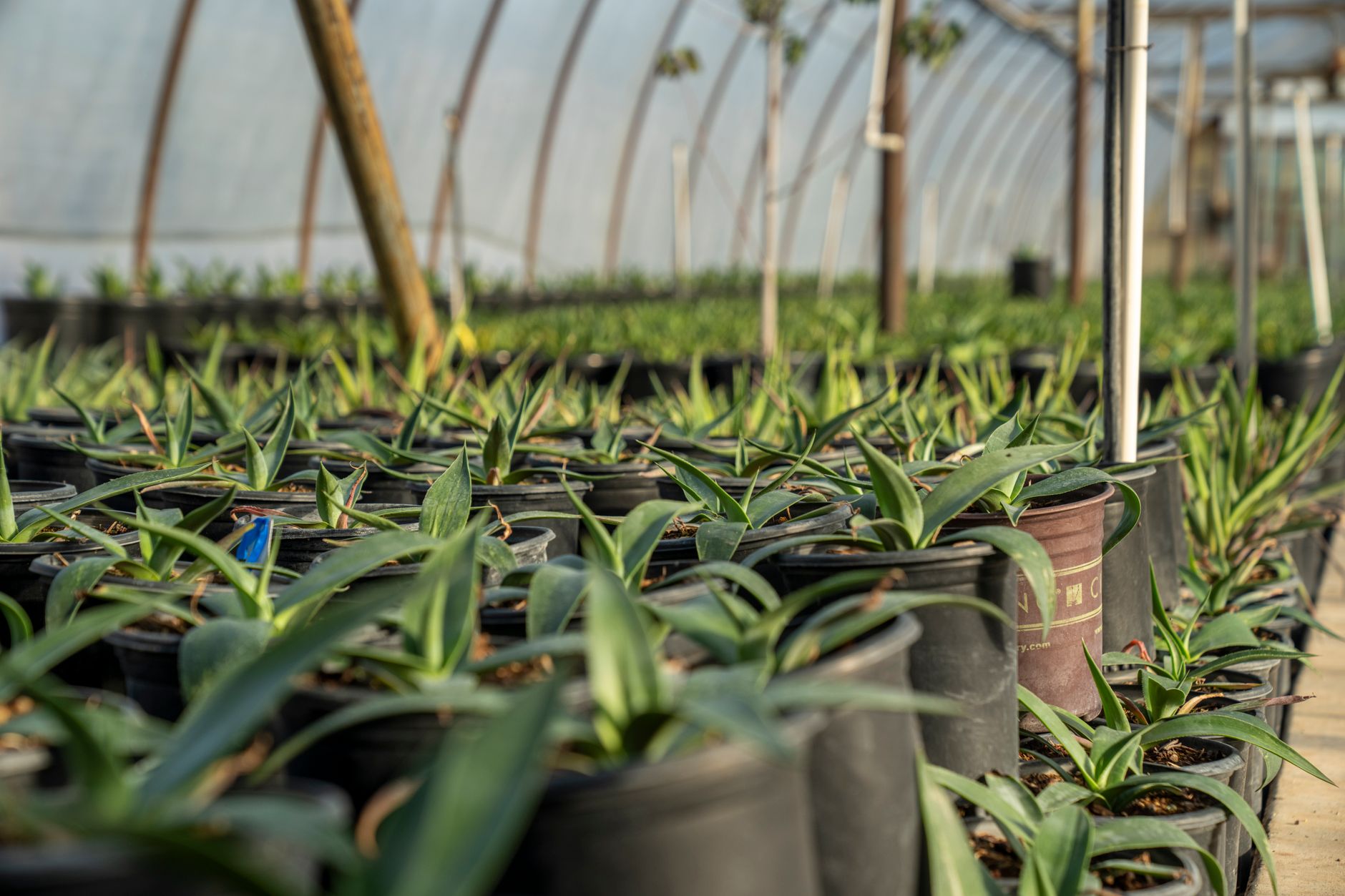
Garden centers and plant nurseries aren't the same thing as a florist, but they're part of the same seasonal picture, especially in fall. This is when nurseries sell potted mums, ornamental cabbage and kale, and the fall bedding plants that show up on porches rather than in vases. If what you actually want is living, in-season color rather than a cut arrangement, a nursery is often the more direct and more local option this time of year.
Both of these Florida nurseries carry the kind of fall-blooming potted plants that outdoor cut flowers can't always match for longevity: a potted mum or ornamental pepper plant will often outlast a cut arrangement by weeks. If you're near Tampa or Jacksonville, checking a local nursery before defaulting to a florist is worth it for anything meant to last through the season rather than for a single event.
A Month-by-Month Look at Fall and Early Winter
Supply shifts gradually rather than on a fixed switch, but this is a reasonable general pattern for most of the continental US:
Month
Typically blooming outdoors
What that means at the florist
October
Dahlias, mums, asters, late zinnias, ornamental grasses
Fall-toned arrangements mix local stems with greenhouse roses and lilies
November
Chrysanthemums, celosia, the last outdoor roses in mild climates
Thanksgiving arrangements lean on foliage, berries and mums; less variety of fresh-cut local flowers
Holiday arrangements rely almost entirely on greenhouse and imported stock everywhere
January–February
Little to nothing outdoors in most regions; some roses continue in warm coastal climates
Valentine's Day roses are imported in nearly every region, regardless of local climate
The table simplifies a lot — a mild year or a specific microclimate can shift any of this by weeks — but the overall trend holds: outdoor variety narrows through fall, and by midwinter nearly everyone, including shops in warm states, is working mostly with greenhouse and imported flowers.
Imported Flowers Aren't a Downgrade
It's worth saying plainly: "imported" and "greenhouse-grown" aren't lesser options, and most florists use them year-round even in peak season, because certain flowers — roses, in particular — aren't practically field-grown at the volume retail demand requires. The seasonal question isn't really "local versus imported," it's "how much of this arrangement could realistically have come from nearby, and how much is from the same supply chain the shop relies on every month of the year."
A dahlia or mum arrangement bought from a Florida, Texas or California florist in October has a real chance of including locally grown stems. A rose bouquet bought anywhere in January almost certainly doesn't, and that's normal, not a sign of a lesser shop.
How to Ask a Florist the Right Question
If seasonality matters to you — for cost, for freshness, or just out of curiosity — the most useful question isn't "are these flowers local," it's "what's in this arrangement that's in season right now, and what isn't." A shop that sources thoughtfully will usually know the answer immediately and can often show you which stems came in with that week's delivery versus what's a standing greenhouse order. Check a listing's hours before visiting, since many florists take walk-ins during business hours but prefer phone or online orders for anything time-sensitive like same-day delivery.
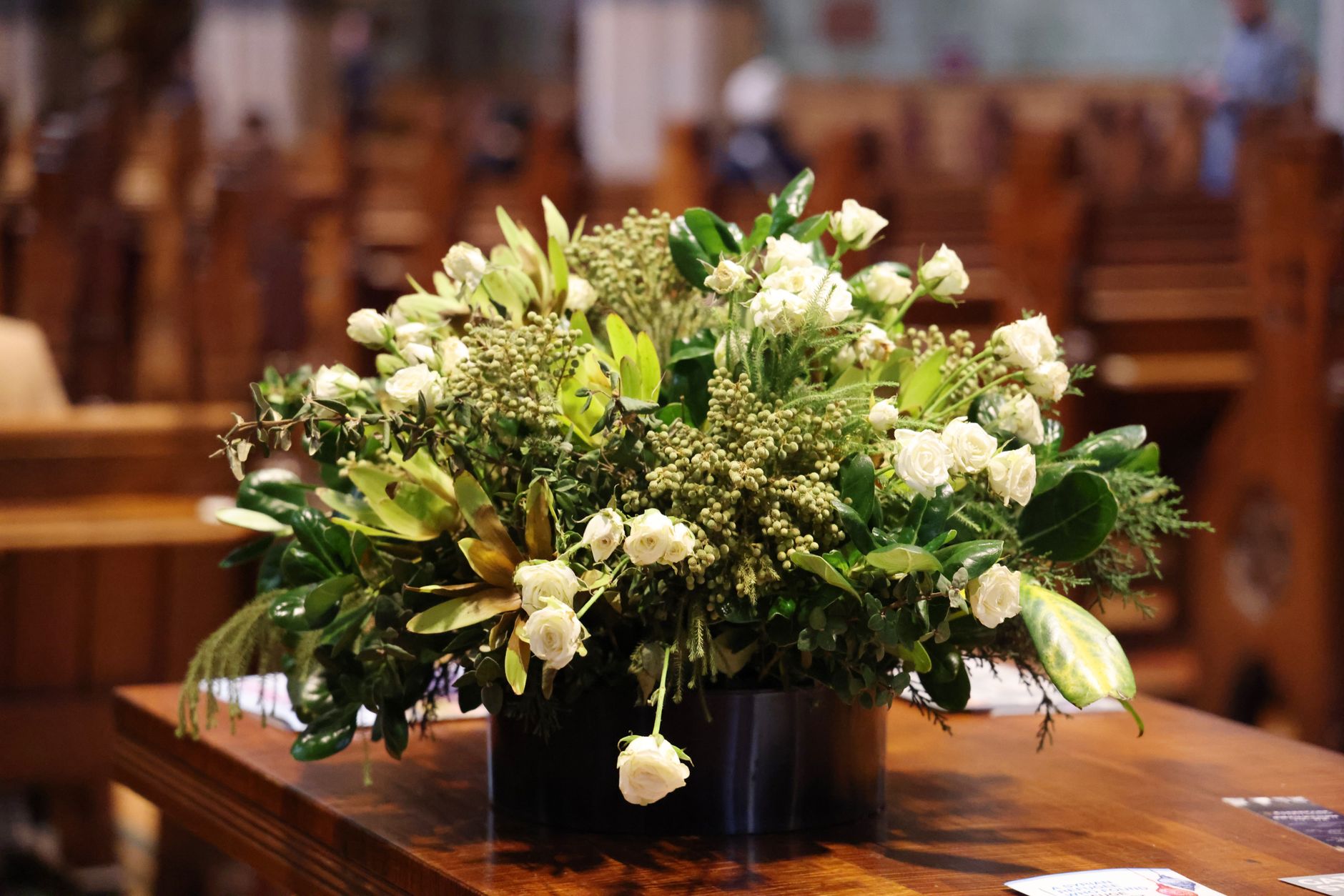
A shop like this one in Fresno, California sits in one of the country's major flower-growing regions, which is a useful example: even there, a lot of what's for sale on a given day is a mix of what's seasonal nearby and what ships in from elsewhere, the same as everywhere else. Proximity to growing regions helps, but it doesn't eliminate the mix.
What This Means for Weddings and Events
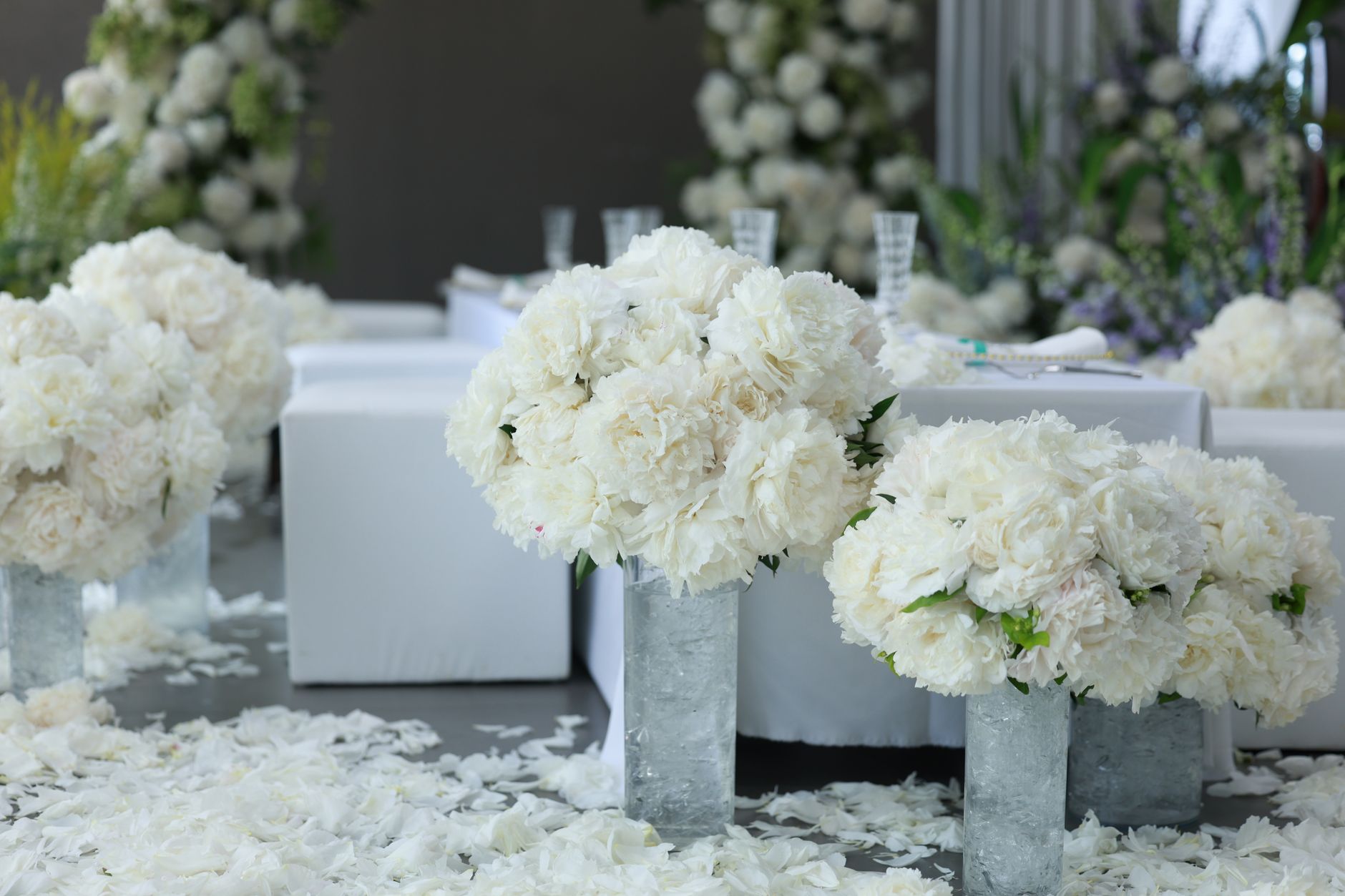
Seasonality matters more for event planning than for a one-off bouquet, because an event locks in a date months ahead and the flower supply on that date is out of anyone's control. A fall wedding booked for late October can reasonably plan around dahlias, mums and other late-season blooms as accent flowers, but a planner or florist will usually still build the bulk of the order around greenhouse roses, ranunculus or other varieties available on demand, since a single supply hiccup on a wedding date isn't something anyone wants to risk.
If seasonal, locally grown flowers matter to your event, say so early and ask your florist which varieties they can realistically commit to for that date versus which ones are aspirational. A shop that does a lot of event work will usually have a clear answer, because they've already had this conversation with other couples planning around the same calendar.
The Takeaway
Fall doesn't shut down flower buying — it changes what's realistically local. Dahlias, mums and asters are your best bet for genuinely in-season outdoor flowers in October almost anywhere in the country, with Florida, Texas and California stretching that window longer than colder states. Flower markets are a good, fast way to gauge what's actually moving through the supply chain that week. If you want color that lasts rather than a cut arrangement, a nursery's potted fall plants are often the more practical, more local choice. And for anything else — especially roses in winter — don't expect "local" to be on the table; ask instead what's freshest and skip assuming imported means lower quality. Check current rates directly with any shop, since pricing varies by arrangement, delivery distance and the week's actual flower costs.